Reliable drives for building technology and energy systems.
Building and energy applications run for years without attention — the drive has to outlast the building’s maintenance cycle. We specify for continuous duty, quiet operation and clean integration with building automation, not for a datasheet peak.
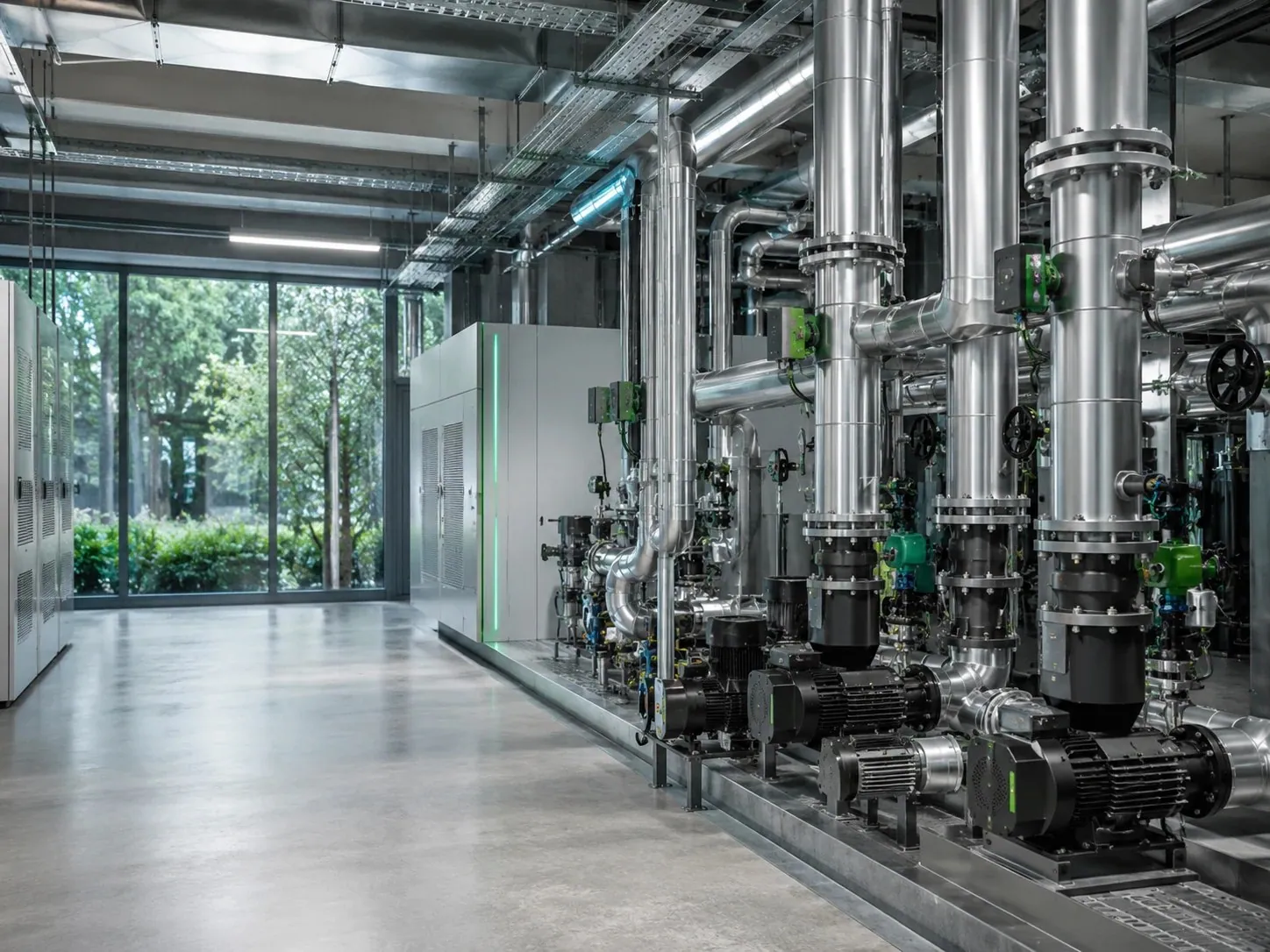
Built to run for years, unattended.
HVAC, access and energy systems — the building's own technical infrastructure — share one constraint: nobody wants to open the ceiling void to replace an actuator. We design for the service interval that matters — the one after the building is occupied.
Where our drives fit.
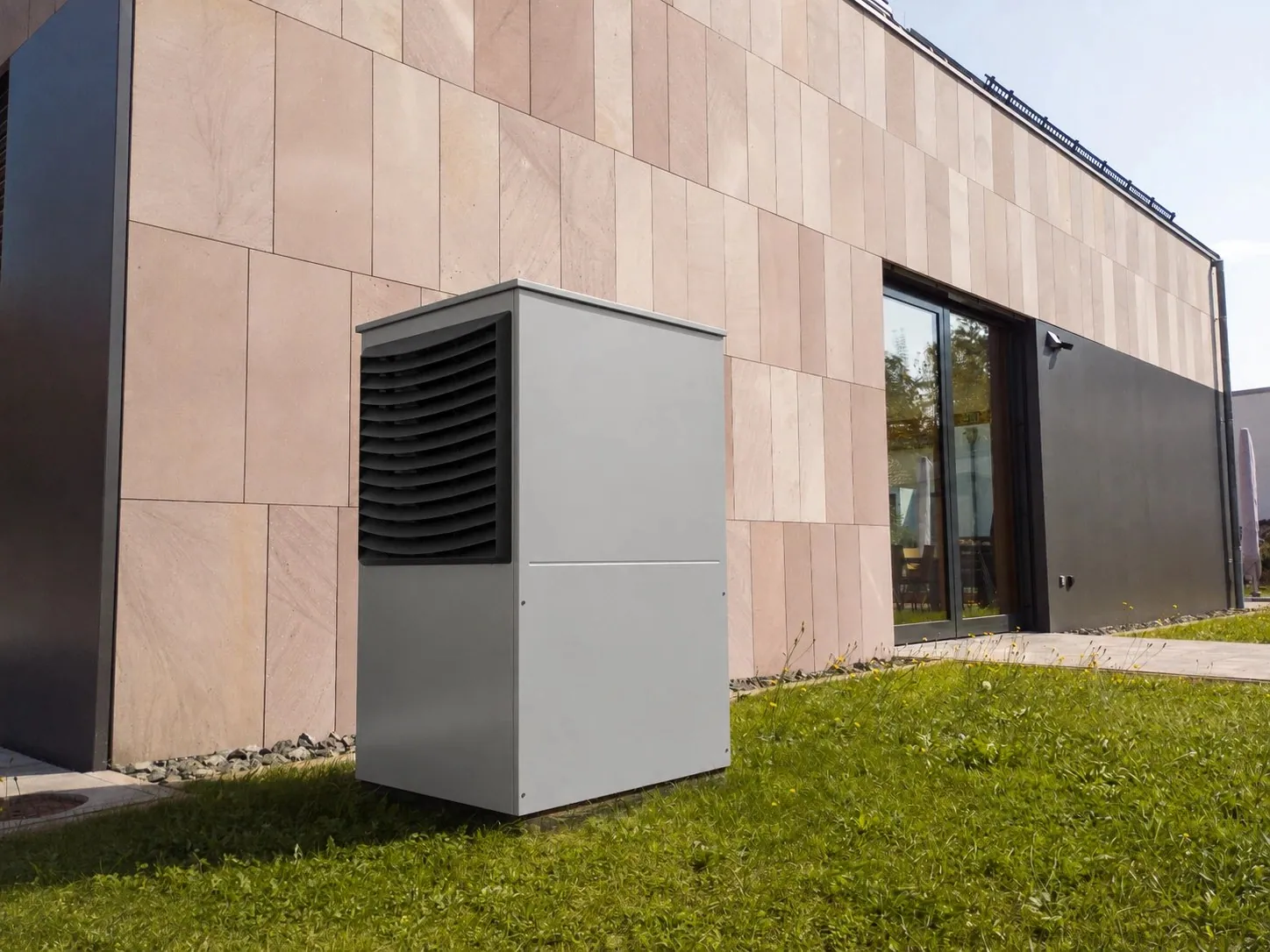
Fans, dampers, valve and burner actuators in heating, ventilation and air-conditioning equipment run near-continuously and sit close to occupied spaces, so acoustic noise and vibration transmission matter as much as torque. We size the motor for the real static-pressure or flow curve of the system, not a nameplate rating, and specify the gearbox for a duty cycle measured in years, not hours.
Typically — Continuous duty, IP-rated for plant rooms, low audible noise

Doors, gates and barriers move mass around people, so the drive has to know when it has hit something and stop — that’s a control and sensing question as much as a mechanical one. We specify torque limiting and obstruction detection into the same drive that provides the motion.
Typically — Torque limiting, obstruction detection, safety-relevant behaviour
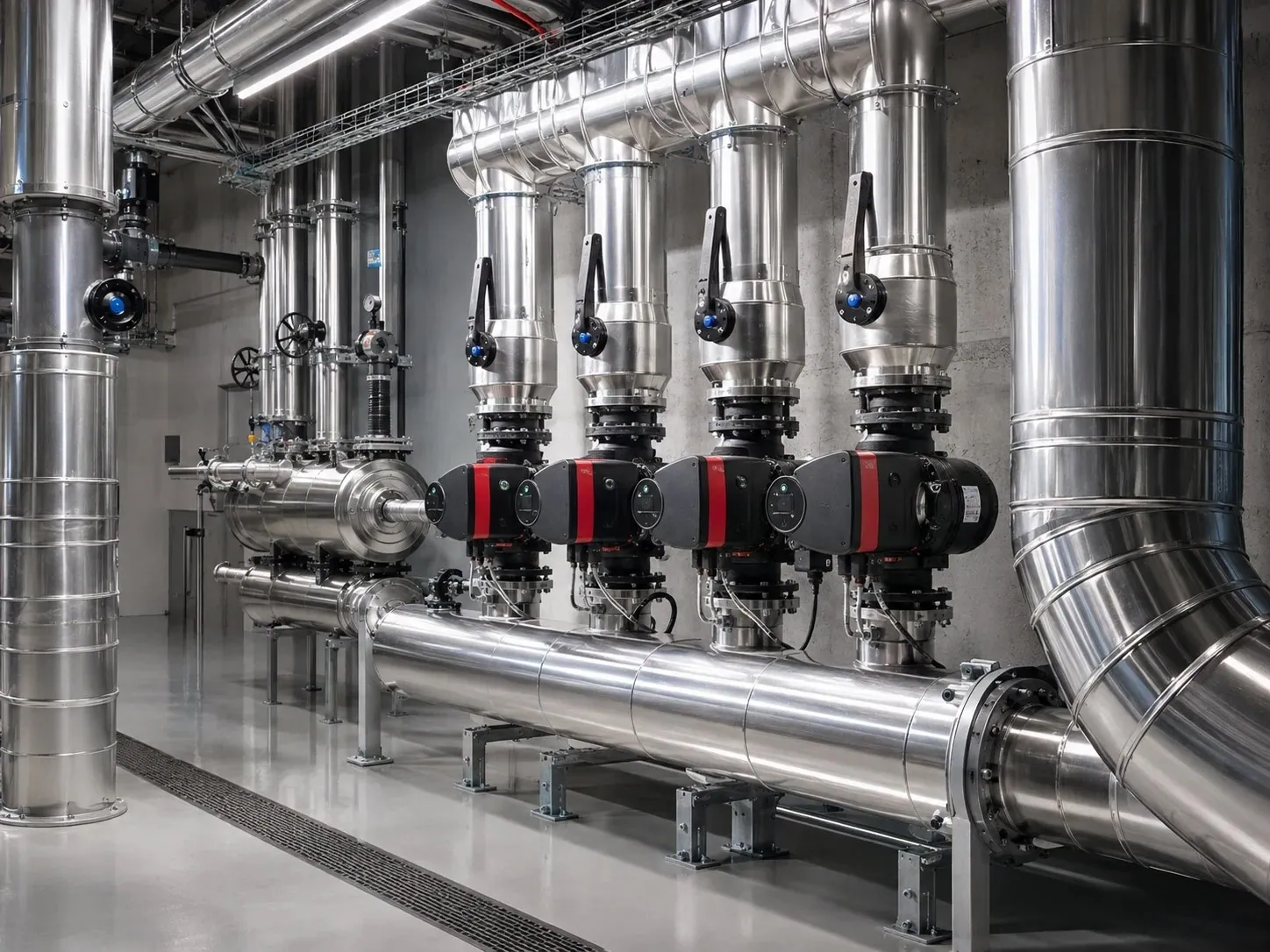
Circulation pumps and control valves in heating and cooling loops run through thousands of start-stop cycles a year against a load that varies with the season. We rate the drive to the actual duty spectrum of the loop, and choose materials for the humidity and chemistry the actuator will sit in.
Typically — Duty-cycle-rated for heating and cooling loops, corrosion-aware materials
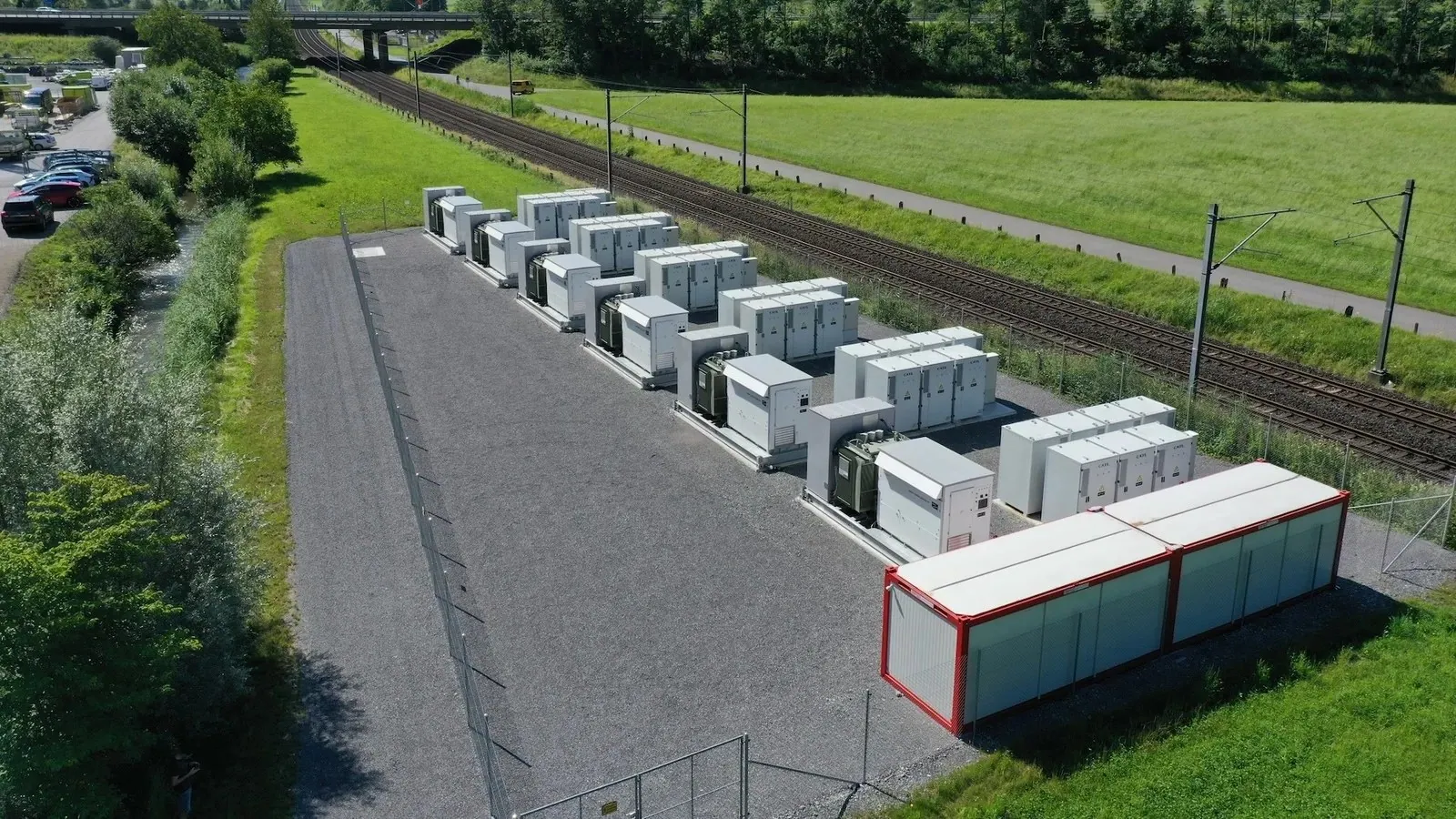
Switching, cooling and battery-management actuators sit in systems where standby power draw is counted and safety is not optional. We design for low idle consumption and build in the safe-state behaviour the application needs when a fault occurs, not just when everything works.
Typically — Low standby draw, functional safety where switching is involved
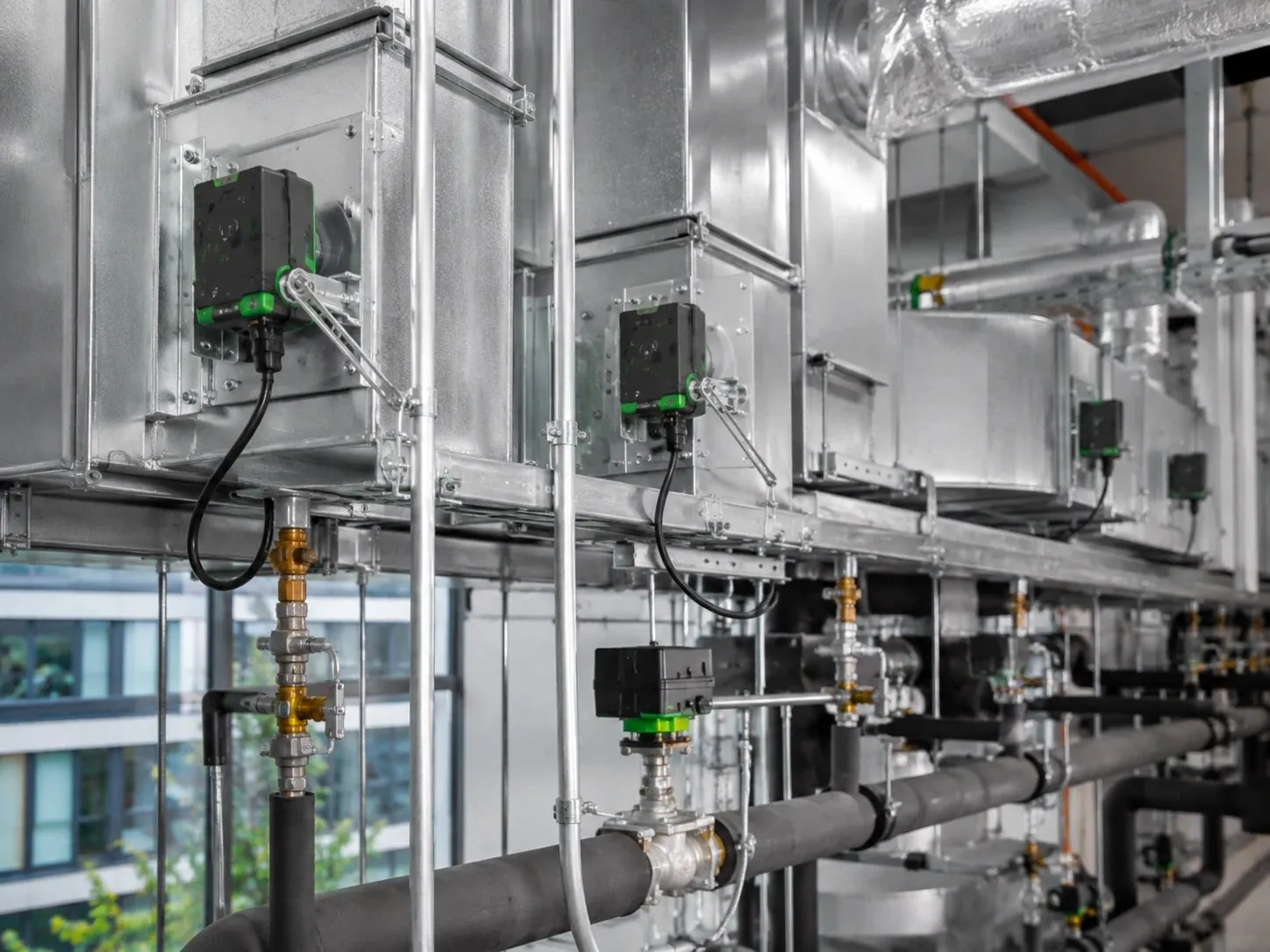
Actuators that plug into a building automation system have to fit the space an installer already has and speak the protocol the rest of the system uses. We design to the envelope and the interface first, then fit the drive inside both.
Typically — Compact envelopes, standard field-bus interfaces
a drive that proves out in one building system is usually a candidate for cost-down once it moves into volume — the same engineering carries it from prototype to production, no second relationship required.
Let's talk about your application.
Tell us about your drive challenge — we'll find the right solution.